
Dental-light arms and mobile stands: accept the complete assembly
Turn room access, head positioning, cable clearance and handover into an installation acceptance matrix rather than selecting a stand from a lamp-head specification.
Start with the answer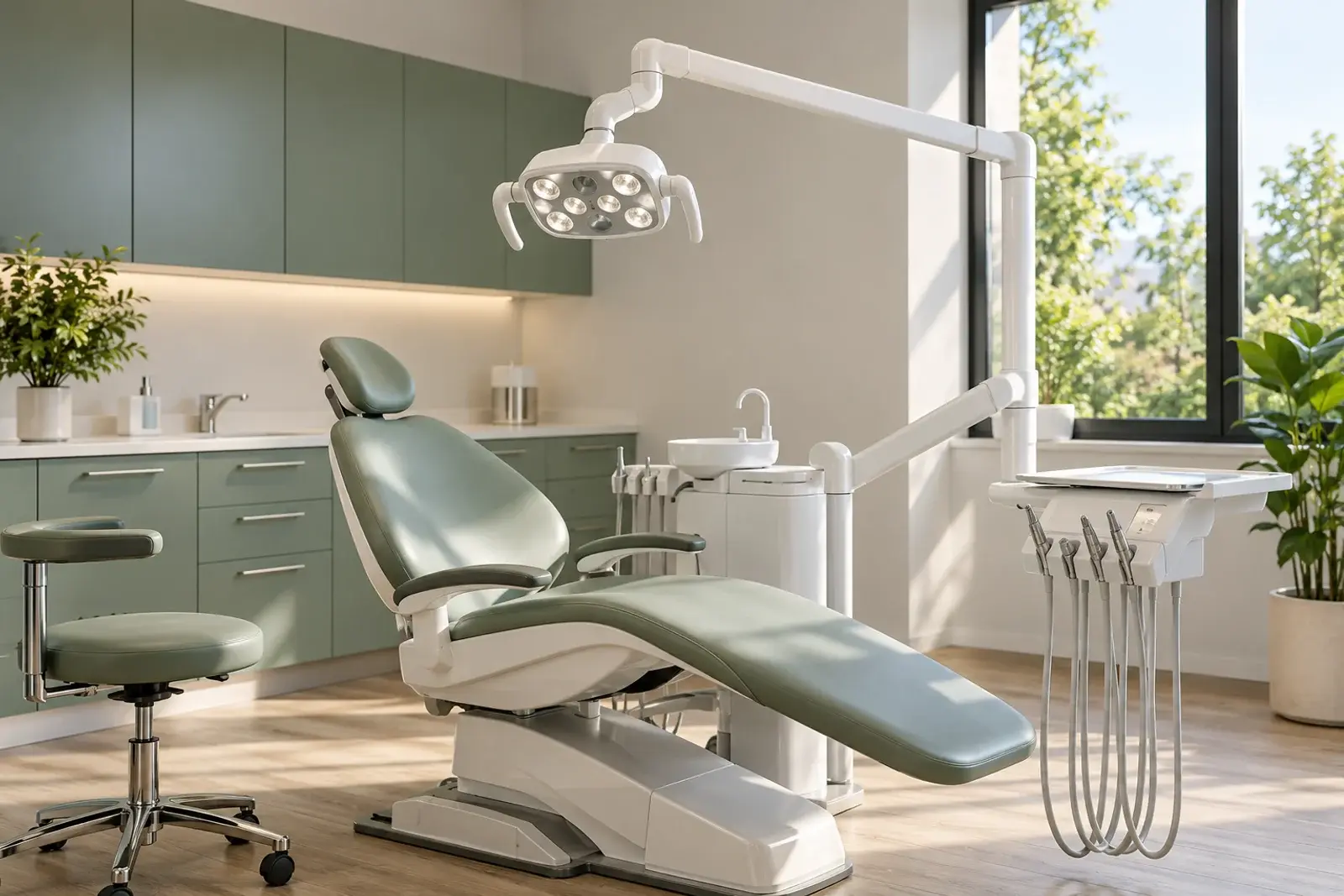
The buying decision, clearly stated.
Assess the head, arm, mounting structure, cable and base as one delivered assembly. Define the required room positions and check reach, clearance, position holding and access under the applicable instructions. Colight's custom arm and mobile-stand catalogue entries need project confirmation; standard head specifications cannot be used as stand stability or complete-system ratings.
- Separate a fixed installation brief from a mobile-use brief before requesting a quotation.
- Define positions and pass conditions before the sample demonstration.
- Keep assembly identity and adjustment instructions with the installation handover.
Choose the mounting scope from the room task
A chair-mounted arm, a fixed mounting point and a mobile base create different installation responsibilities. The room plan should identify where the operator works, where the chair moves, which equipment already occupies the space and whether the light must be relocated between positions. Do not begin with a preferred stand photograph and then force the room to match it.
Write down what is included in the supply: head, arm, bracket, post or base, power arrangement, cable and installation hardware. Confirm which components are provided by the buyer and which are supplied as an assessed combination. An incomplete scope can make a seemingly simple quotation impossible to compare with a complete installation proposal.
Use a room-position matrix instead of a single demonstration pose
One comfortable position in a showroom is not enough to evaluate a working installation. Define the intended chair positions and operator access, then record the head location, movement required and clearance concerns for each case. Include the normal path between positions, because a cable or neighbouring component may interfere during movement rather than at the final pose.
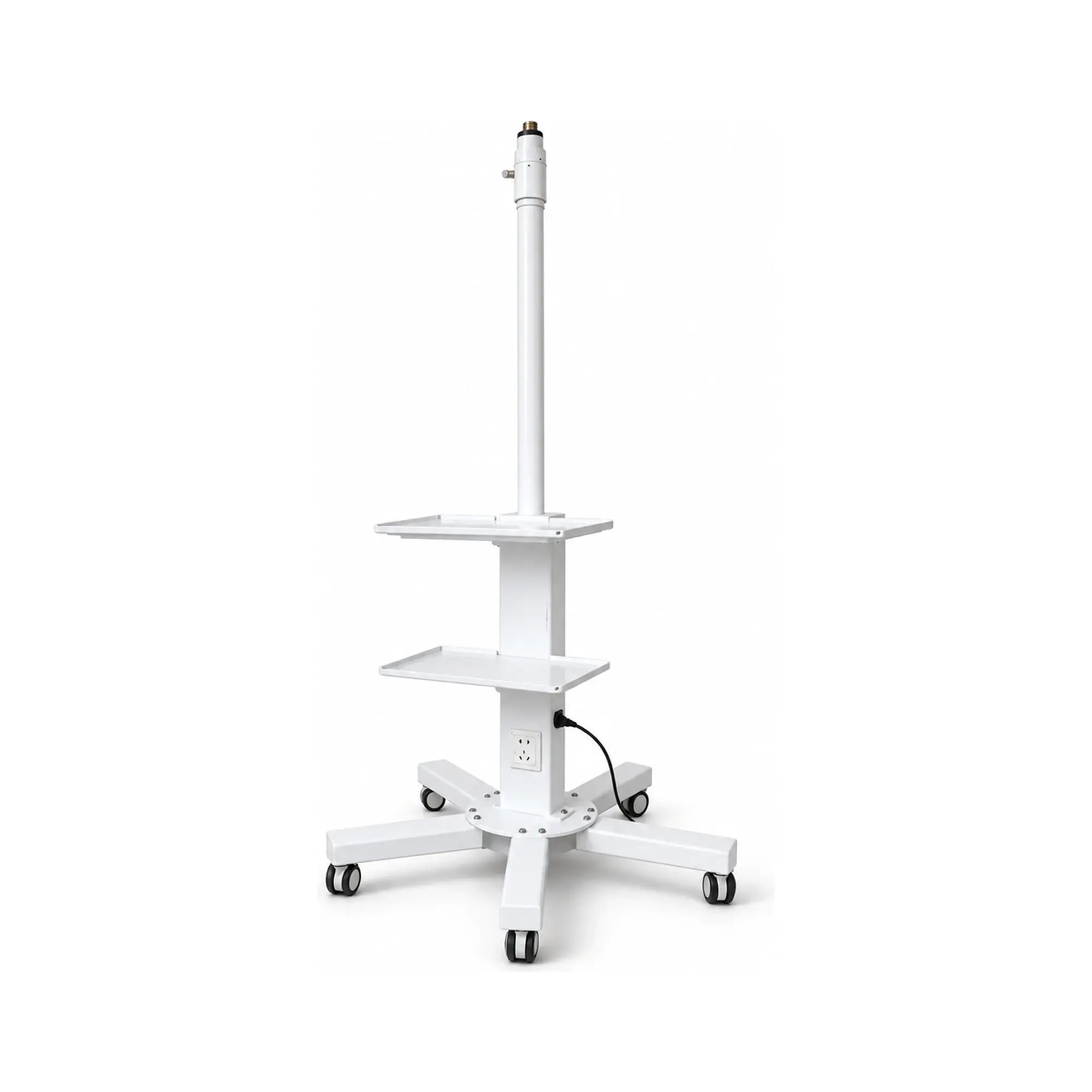
For a mobile configuration, add storage, access routes and permitted placement under the manufacturer's instructions. Confirm the supplied base and movement controls rather than assuming every stand rolls, locks or adjusts in the same way. Rehearse ordinary use within the permitted envelope; do not improvise tipping, load or impact tests. Formal mechanical or stability requirements need an appropriate technical assessment.
Evaluate holding, adjustment and control access together
Ask the operator to place the light, release it as instructed and perform the relevant normal control actions. Record unwanted movement, difficult adjustment, blocked access or a cable that changes tension. Avoid inventing a universal drift tolerance or holding time: define the acceptance method and limits with the responsible technical parties for the intended installation.
The current Colight source documents adjustable joint tension on selected heads, including CL108A. That does not establish the behaviour of every arm or base. Never apply a head adjustment claim to an unspecified mounting assembly. If the demonstration requires repeated tightening, determine whether it is an authorized setup adjustment, a configuration mismatch or a fault requiring supplier review.
Separate intended use from visual similarity
FARO's public B75 information distinguishes dental and surgical functions and mounting versions. The useful lesson for a buyer is to specify intended use and assembly scope, not to borrow another product's performance figures. A lamp suitable for one task or mounting arrangement does not establish suitability for a different environment by appearance alone.
At handover, retain the actual model and revision, assembly drawings where applicable, installation responsibility, approved placement, adjustment instructions and support contact. If the light is moved to another room or fitted with another head later, review the affected assumptions before reusing the original acceptance record. This makes the installation supportable after the purchasing team has moved on.
Evidence context: FARO
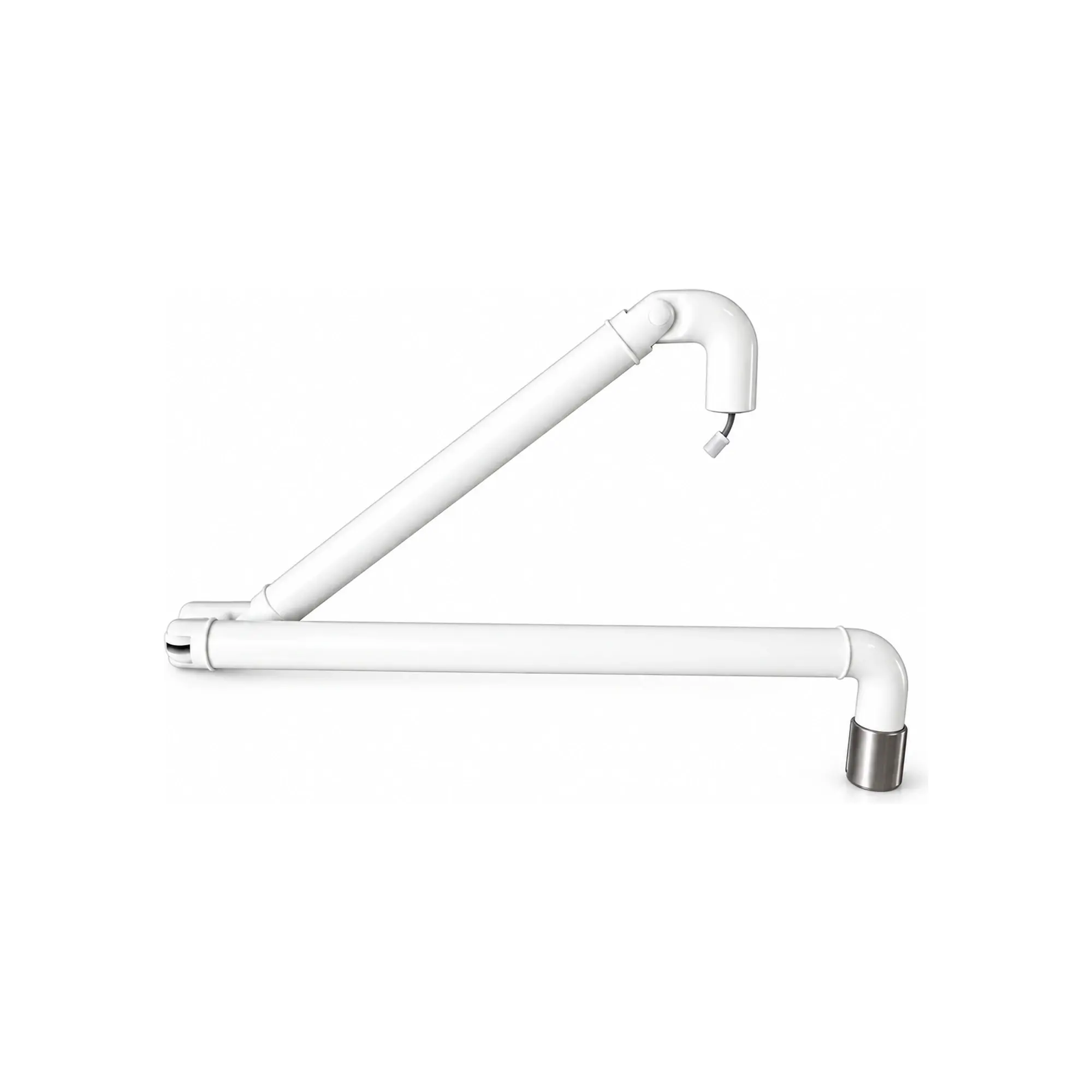
Fixed mounting and mobile installation solve different jobs
This is an installation-planning comparison, not a claim that one format is safer or better in every clinic.
Fixed or chair-mounted assembly
- Useful for
- Can be planned around a defined mounting structure and repeated working position.
- Check carefully
- Requires verified support, engagement, reach and access for that installation.
- Decision context
- A room where the mounting location and responsible installer are established.
Mobile assembly
- Useful for
- May support a relocation need when the complete system is specified for it.
- Check carefully
- Adds base placement, movement, storage and cable-route questions.
- Decision context
- A documented mobile-use case assessed with the actual base and instructions.
Put the evidence beside the decision.
| Use case | Observe and record | Approval evidence |
|---|---|---|
| Primary working position | Head placement, adjustment access and clearance | Accepted configuration and position record |
| Alternate operator position | Reach, arm movement and surrounding equipment | Documented permitted movement envelope |
| Chair repositioning | Interference and cable behaviour during normal motion | Responsible installer and evaluator sign-off |
| Mobile relocation | Permitted movement, route and base placement | Complete-system instructions and accepted room scope |
| Storage and service access | Parking position, cable management and identification | Handover instructions and support route |
From room brief to installation handover
- 01
Define positions
Identify actual working, access and storage requirements.
- 02
Confirm assembly
List the head, arm, mount, base, cable and power arrangement.
- 03
Review documents
Resolve drawings, permitted loads, movement and installation responsibilities.
- 04
Evaluate normally
Record each agreed position within the supplied instructions.
- 05
Hand over
Retain the accepted configuration, adjustment guidance and change triggers.
Worked example: a mobile base cannot be selected from head weight alone
A hypothetical project buyer already knows the head it wants and asks for any mobile stand that can carry it. The supplier still needs the complete mounting and intended-use brief: arm geometry, supported configuration, power arrangement, movement needs and room access. Head mass alone cannot establish stability or permitted use for an unknown assembly.
The project therefore requests a confirmed complete configuration and evaluates it against a room-position matrix. The record captures the accepted base placement and movement instructions, not a claim of universal mobility. If a later order uses a different arm or head, the project reviews that change before treating it as the same system. This avoids turning a convenient catalogue combination into an unsupported engineering assumption.
Questions buyers ask next.
Can head specifications be used to rate a mobile stand?
No. Head data do not establish the complete assembly's stability, reach, power arrangement or permitted movement. Request documentation for the actual head, arm and base combination.
Should a buyer run an improvised stability test?
No. Evaluate normal operation within the manufacturer's instructions. Formal mechanical and stability questions should be defined and assessed by responsible technical personnel using applicable methods.
Does adjustable head tension mean any arm will hold the light?
No. A documented head feature cannot establish the suitability or performance of an unspecified arm. Confirm the mating arrangement, supported configuration and complete assembly.
What should trigger a new installation review?
Changes to the head, arm, bracket, base, room placement, power arrangement or intended use can affect the original assumptions. Review the relevant interfaces and acceptance record before releasing the changed setup.
Follow the evidence.
Manufacturer and institutional sources inform the context. Colight specifications come from the verified site catalogue; competitor values are not presented as Colight test results. References were checked on 2026-10-27.
- FARO B75 — separate dental and surgical lighting functions
Industry reference demonstrating why intended use and configuration matter. Not a comparative performance test. Checked October 27, 2026.
Corrections or missing project evidence: contact Colight. The page supports purchasing discussions and does not provide patient-specific care, electrical installation instructions or a legal market-access decision.