
Repair or replace a dental chair light? Build a retrofit decision record
A decision framework for ageing dental-unit lights that keeps fault diagnosis, installation compatibility and service responsibility separate.
Start with the answer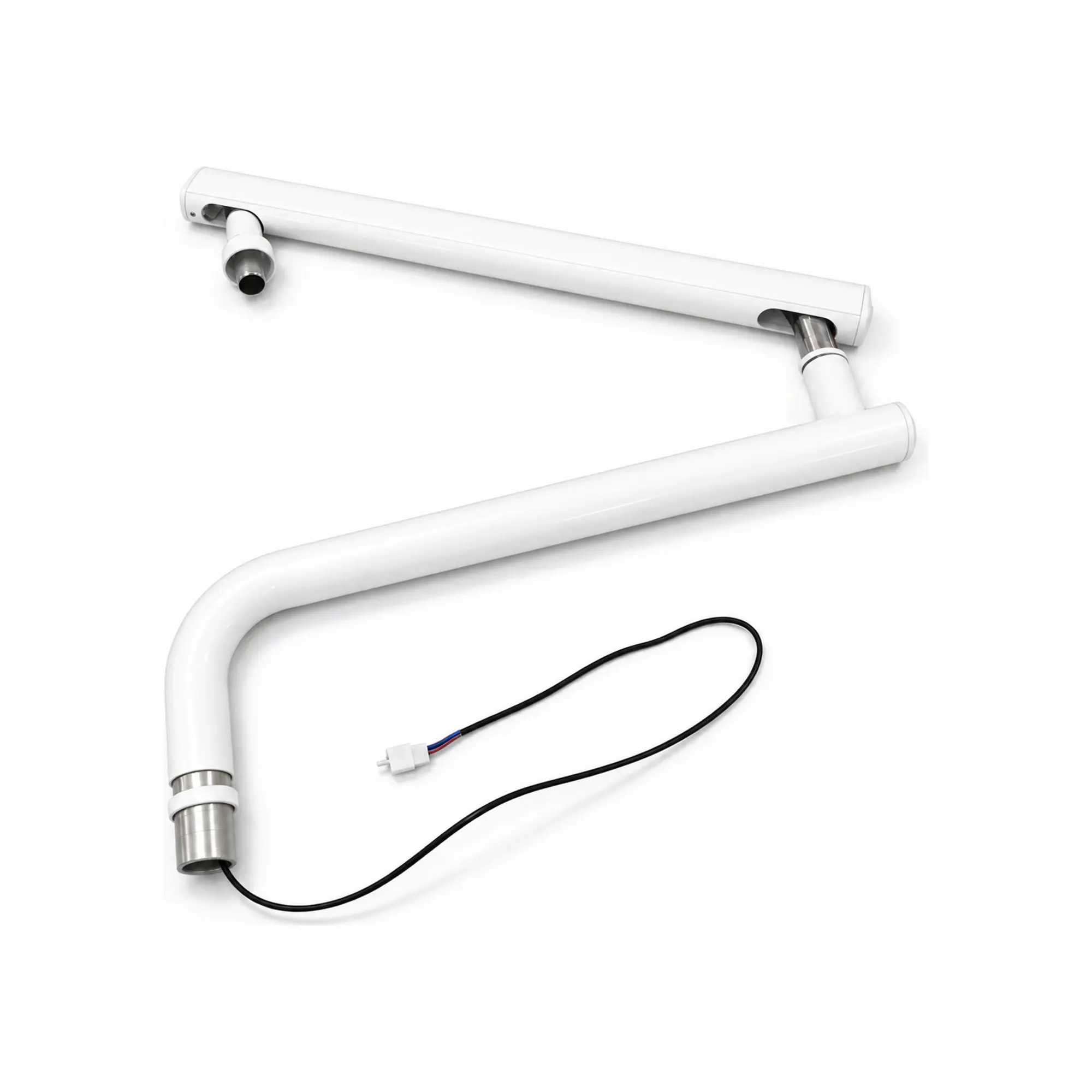
The buying decision, clearly stated.
First diagnose the installed light and record its chair platform, supply, mount, controls and service history. Repair is reasonable only when the fault and replacement part are identified and the unit can be returned to the manufacturer's intended condition. Replacement needs a full chair–light interface review and an approved sample; a matching tube diameter or attractive LED head is insufficient to promise a safe retrofit.
- Diagnose and identify the installed unit before requesting a new lamp.
- Compare the total repair or retrofit scope, including labor and service documentation, rather than headline lamp price.
- Use a qualified installer and retain the approved drawing, sample and post-installation record.
Identify the failure before pricing a new head
An ageing chair light may fail because of the head, driver, controls, cable, arm joint or chair-side supply. Record the current model, serial, age if known, symptoms, whether the fault is intermittent, and what a qualified technician has actually tested. A dim light and a drifting arm are different problems. Replacing the head will not cure an unstable mount, and replacing an arm will not fix an electrical fault.
Planmeca's historical dental-unit upgrade article illustrates that manufacturers can offer both component changes and broader unit updates, but its advice is about Planmeca equipment. It does not establish that Colight parts fit a particular old chair. The installed chair maker's instructions and the actual field condition control the first decision.
Evidence context: Planmeca
Define when a repair is supportable
A repair path needs a documented replacement part or approved service procedure, a qualified person to perform it, and a way to verify that the repaired unit meets its intended condition. Ask whether original spares remain available and whether the failure is isolated. A repeated fault or missing identification can make a superficially cheap repair hard to support. Do not invent a break-even price or a service-life estimate.
The decision record should include parts, labor, downtime, warranty terms and a post-repair functional check. These are costs and risks to quote, not numbers supplied by this guide. If the original unit's documentation is unavailable, mark that limitation explicitly and seek the chair manufacturer's service route before improvising a component substitution.
Scope replacement as an assembly, not a lamp photograph
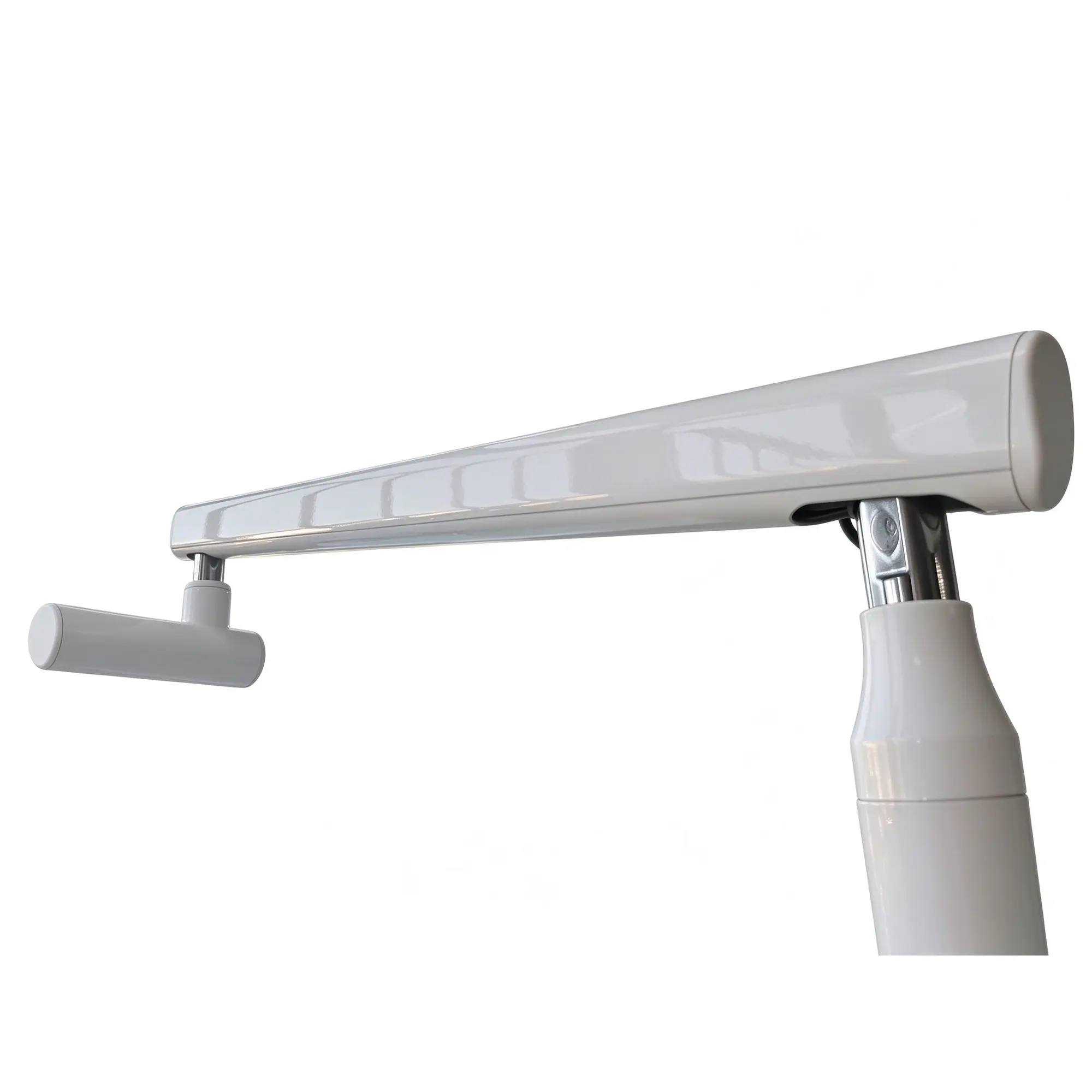
For replacement, collect measured connector geometry, supply waveform and range, mounting loads, arm condition, cable routing, control behavior and physical clearances. Colight's eight standard heads list 12–24 V AC and selected 22 mm or 26 mm connector options in their verified data, but those values do not establish universal compatibility. A chair's nominal voltage or shaft size alone does not tell you whether its installed controls and mechanical system match.
A retrofit quotation should state whether it supplies only a head or also the arm, mount, adapter, cable and installation support. Specify which party verifies the chair platform and handles any required engineering. Do not ask unqualified staff to alter wiring or remove safety features on the basis of a web article; involve the chair and light manufacturers or an authorized installer.
Evidence context: A-dec
Approve the working installation and its handover
Before rollout, fit one sample on the actual chair type and check reach, holding position, selected control modes, electrical behavior, collision clearance and cleaning access using the applicable instructions. Record the sample identity and any approved adapter. A bench test of the head is useful but does not validate chair integration. Where several chair revisions exist, keep separate records rather than assuming one installation proves them all.
After installation, give the practice the exact model and configuration, operator instructions, cleaning guidance, service contact and fault-escalation route. For a distributor serving multiple clinics, tag the installed configuration so a future spare request does not rely on a photo or a vague description such as 'six LED'. If a proposed replacement cannot pass the agreed trial, pause it and obtain a revised engineering solution.
Repair and retrofit approval paths
The cheaper quotation is not automatically the smaller operational risk.
Repair the installed unit
- Useful for
- Can preserve a known chair integration when the fault and approved part are clear.
- Check carefully
- May be unsupported if spares, documentation or fault isolation are missing.
- Decision context
- A diagnosed failure with a documented service route and verifiable return to function.
Replace with a confirmed assembly
- Useful for
- Allows a new configuration to be evaluated against current room needs.
- Check carefully
- Requires interface engineering, sample fit and installer responsibility.
- Decision context
- An ageing or unsupported light where the complete replacement scope can be controlled.
Put the evidence beside the decision.
| Decision field | Repair evidence | Retrofit evidence |
|---|---|---|
| Fault | Diagnosis and failed part ID | Reason replacement is required |
| Mechanical | Existing arm and joint condition | Mount, load, geometry and reach |
| Electrical | Original supply and approved repair | Supply, controls and cable confirmation |
| Commercial | Part, labor, downtime and terms | Complete kit, installation and terms |
| Acceptance | Post-repair functional record | Installed sample and handover record |
A controlled retrofit decision
- 01
Identify
Capture chair and light model, revision and symptoms.
- 02
Diagnose
Have a qualified person isolate the actual fault.
- 03
Compare
Quote the complete repair and replacement scopes.
- 04
Trial
Test a replacement on the intended chair type if selected.
- 05
Handover
File the installed configuration and service route.
Example: an older chair fleet with mixed faults
A hypothetical clinic reports that three lights are difficult to use. A qualified technician finds one defective switch, one arm that no longer holds position and one head with an unresolved intermittent fault. A blanket order for three new heads would leave the arm problem untouched and may miss the switch repair. Procurement creates a separate record for each chair revision and asks for quotations tied to the diagnosed issue.
The switch may be repaired under the existing unit's service instructions. The arm may need an approved assembly solution. The intermittent case needs more diagnosis or a controlled retrofit sample. The example supplies no price threshold, predicted lifetime or compatibility claim; it shows how diagnosis prevents a replacement project from becoming an undocumented component swap.
Questions buyers ask next.
Can a 22 mm or 26 mm connector alone prove retrofit compatibility?
No. Verify supply waveform, connector engagement, arm loads, cable route, controls and the approved chair assembly, not just nominal diameter.
Should every halogen dental light be replaced with LED?
No universal rule follows from lamp technology alone. Diagnose the current unit and compare documented repair and complete replacement options for the actual chair.
Does this guide provide electrical installation instructions?
No. Electrical changes require the relevant device instructions and a qualified installer or manufacturer-approved service route.
What should a distributor send with a retrofit enquiry?
Send chair and light identity, photographs, measured interface, supply and controls information, fault record, room requirements and the desired head or complete assembly scope.
Follow the evidence.
Manufacturer and institutional sources inform the context. Colight specifications come from the verified site catalogue; competitor values are not presented as Colight test results. References were checked on 2026-10-31.
- A-dec 500 LED dental light — manufacturer information
Industry reference for how an established manufacturer documents optical conditions, control modes and compatibility. Checked October 27, 2026.
- Planmeca — updating dental units and operating lights
Historical manufacturer example of upgrade choices; compatibility remains specific to the installed unit. Checked October 31, 2026.
Corrections or missing project evidence: contact Colight. The page supports purchasing discussions and does not provide patient-specific care, electrical installation instructions or a legal market-access decision.